
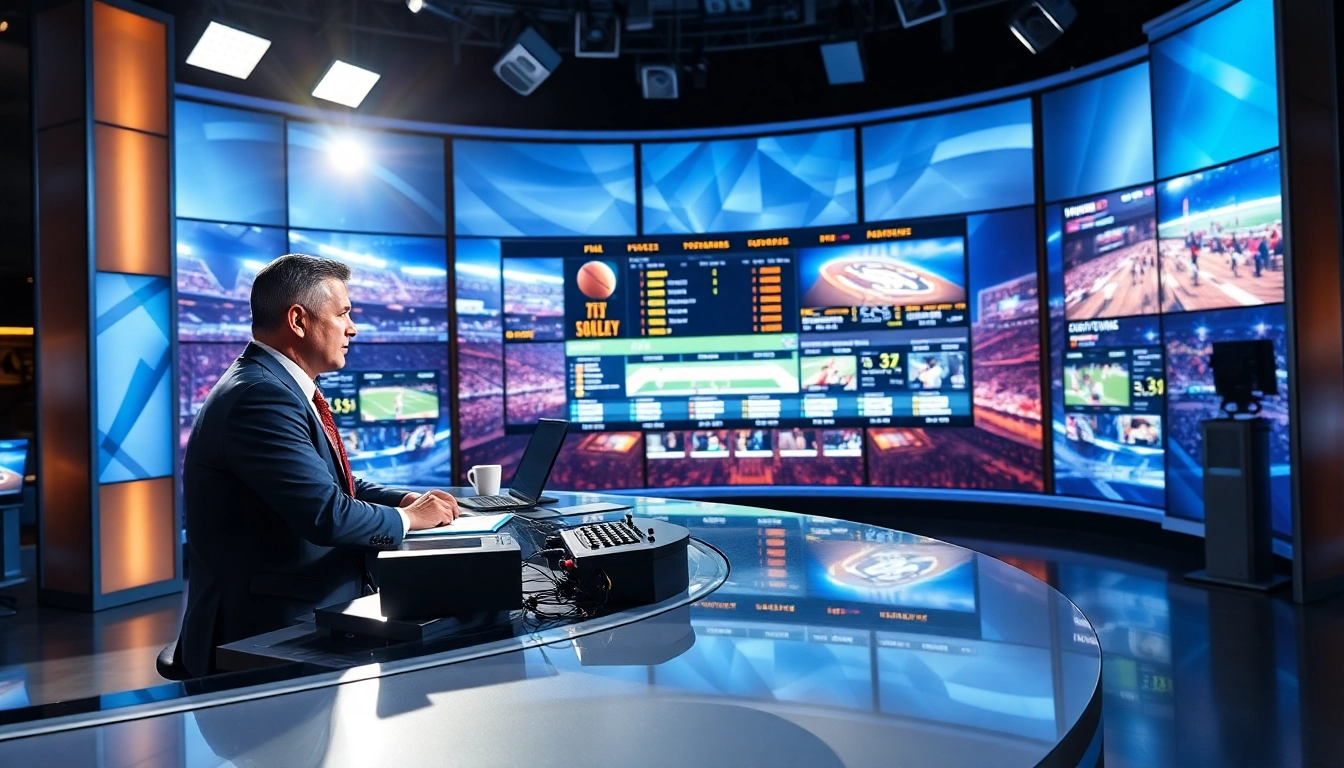
Understanding Sports Broadcasting
Definition and Scope of Sports Broadcasting
Sports broadcasting encompasses the live or recorded coverage of sporting events, aimed primarily at informing and entertaining audiences. This medium includes various platforms, from television and radio to online services. The scope of sports broadcasting also extends to commentary, analysis, and interviews that add depth to the viewing experience. Utilizing a myriad of technologies, sports broadcasting enables fans to connect with their favorite teams anytime and anywhere. For those looking to dive deeper into this dynamic field, Sports Broadcasting covers the essential aspects comprehensively.
The Evolution of Sports Broadcasting
The journey of sports broadcasting has been remarkable. It began with simple radio broadcasts, progressing to live telecasts in the mid-20th century. The advent of cable television revolutionized the industry by introducing dedicated sports channels, thus expanding the audience significantly. In recent years, streaming services have similarly reshaped the landscape, allowing for on-demand access to games across multiple devices. This evolution highlights the increasing relevance of sports broadcasting in the digital age.
Key Components of Sports Broadcasting
Successful sports broadcasting comprises several key components, including:
- Production: Involves the technical aspects, like camera work, audio quality, and graphics that enhance the viewing experience.
- Commentary: Provides insights and context to engage viewers and enhance their understanding of the game.
- Audience Interaction: Encourages fan participation through social media, thereby fostering a sense of community.
- Advertising: Offers a crucial revenue stream, with tailored commercials that resonate with target demographics during broadcasts.
Technology in Sports Broadcasting
The Role of Streaming and Online Media
Streaming technology has revolutionized how sports are consumed. Traditional cable viewership is steadily declining as online platforms provide greater flexibility, allowing fans to watch live events or catch up on highlights at their convenience. Furthermore, social media platforms play an essential role in promoting sports content and engaging younger audiences, driving viewership and expanding the sport’s reach.
Innovations in Sports Broadcasting Technology
Innovations such as high-definition (HD), ultra-high-definition (UHD), and even 8K broadcasting have improved visual quality significantly. Drones equipped with cameras now offer unique vantage points, while augmented reality (AR) enhances viewer engagement by overlaying digital images onto live action. These technologies elevate the storytelling aspect of sports broadcasting, making it an immersive experience for fans.
Challenges of Live Broadcasting
While live broadcasting offers thrilling, real-time experiences, it is not without its challenges. Technical issues such as signal loss or equipment failure can disrupt coverage. Moreover, legal issues surrounding broadcasting rights can limit the ability to air certain events. It is vital for broadcasters to have contingency plans and legal advisors to navigate these complexities effectively.
Creating Quality Content in Sports Broadcasting
Effective Storytelling Techniques
Quality content in sports broadcasting hinges on effective storytelling. Narratives that highlight athletes’ journeys, key rivalries, or pivotal moments create emotional connections with viewers. Incorporating interviews and behind-the-scenes footage allows broadcasters to humanize players and enrich the storytelling experience, ultimately engaging a broader audience.
Engaging Your Audience Effectively
Engagement is crucial in the competitive landscape of sports broadcasting. Interactive features such as live polls, quizzes, and social media integration encourage participation. Additionally, personalized viewing experiences, like the option to choose commentators or camera angles, can greatly enhance audience satisfaction, leading to greater loyalty and viewership.
Ethical Considerations in Sports Broadcasting
Ethics in sports broadcasting are paramount. Ensuring respect for the athletes’ privacy, avoiding sensationalism, and providing unbiased coverage are essential. Broadcasters must also consider the implications of controversial topics, ensuring that discussions are handled sensitively while maintaining journalistic integrity.
Metrics and Performance Analysis
Measuring Audience Engagement in Sports Broadcasting
In the age of data analytics, measuring audience engagement is crucial for broadcasters. Metrics such as viewership numbers, social media interactions, and viewer retention rates provide insights into audience preferences. Utilizing tools for real-time analysis enables broadcasters to adjust their strategies and programming accordingly, optimizing the viewer experience.
Rating Systems and Their Implications
Rating systems help determine the popularity of broadcasts, influencing advertising rates and content planning. Understanding the different systems—like Nielsen ratings or social media engagement metrics—allows broadcasters to refine their approach, ensuring they reach their target demographics effectively.
Adjusting Strategies Based on Metrics
Data-driven decision-making is vital in sports broadcasting. By analyzing metrics such as peak viewing times or audience demographics, broadcasters can tailor their strategies. This adaptability enhances content relevance, contributing to improved viewer satisfaction and loyalty, which are essential for long-term success.
Future Trends in Sports Broadcasting
The Impact of Social Media on Sports Broadcasting
Social media platforms have emerged as powerful tools for sports broadcasting. They offer immediate access to highlights, news, and fan interactions, which enhances audience engagement. As more fans turn to social media for sports content, broadcasters must integrate these platforms into their strategies for sustaining viewer interest.
Virtual Reality and Augmented Reality in Broadcasting
Virtual reality (VR) and augmented reality (AR) stand to transform sports broadcasting. VR can create immersive environments that place fans right in the action, while AR enhances the viewing experience with additional context and statistics. As these technologies continue to advance, their integration into broadcasting will likely become a staple expectation from fans.
Predictions for the Future of Sports Broadcasting
Looking ahead, several trends seem poised to shape the future of sports broadcasting. These include increased personalization of viewing experiences, greater accessibility through online platforms, and the potential for enhanced interactivity. Broadcasters that stay ahead of these trends, embracing emerging technologies, are more likely to thrive in a rapidly changing landscape.
FAQs
What is sports broadcasting?
Sports broadcasting refers to the live or recorded coverage of sporting events that includes commentary, analysis, and highlights across various media platforms.
How has technology impacted sports broadcasting?
Technology has revolutionized sports broadcasting by introducing streaming services, improved visual technologies, and interactive audience engagement features.
Why is audience engagement important in sports broadcasting?
Audience engagement is crucial as it fosters loyalty, increases viewership, and enhances general satisfaction with the broadcasting content.
What ethical considerations should sports broadcasters keep in mind?
Sports broadcasters should ensure respectful treatment of athletes, avoid sensationalism, and maintain impartiality while covering contentious issues.
What metrics can be used to measure the success of sports broadcasts?
Success can be measured using viewership numbers, social media interactions, audience retention rates, and feedback gathered from viewers.