Understanding USAG Spanners: A Comprehensive Overview
When it comes to professional tools, few brands command the same level of respect and reliability as USAG. Among their diverse selection, USAG spanners are a hallmark of quality, designed for both professional mechanics and enthusiastic DIYers. These tools blend functionality, durability, and ergonomics, making them essential in any toolbox. In this extensive guide, we will delve deep into what makes USAG spanners outstanding, how they can enhance your toolkit, and key considerations for selecting the right ones for your needs. Whether you're a seasoned technician or just starting, understanding USAG spanners is crucial for effective and safe tool use.
What Are USAG Spanners?
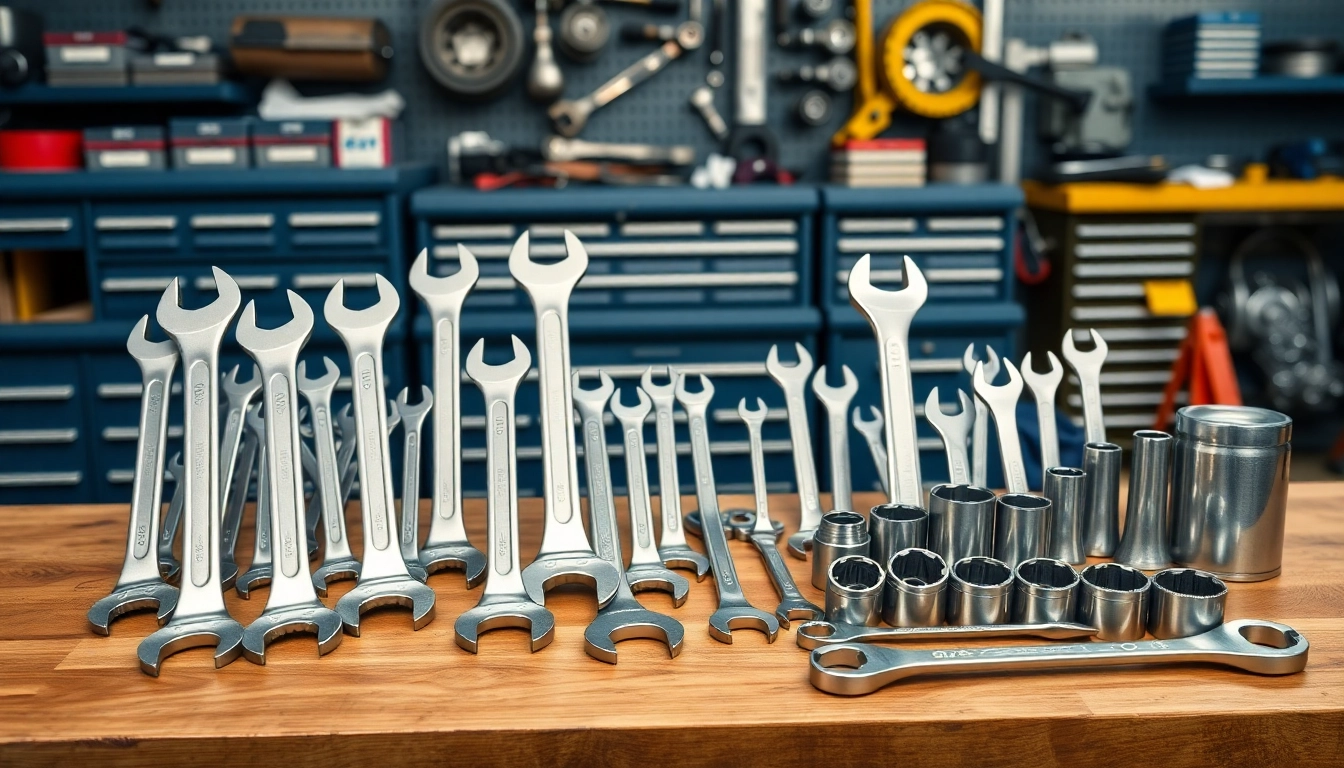
USAG spanners, commonly referred to as wrenches in many regions, are hand tools designed for gripping, fastening, or turning objects like nuts and bolts. They come in various types, including combination wrenches, adjustable wrenches, and socket wrenches, catering to different mechanical needs. The design and functionality of USAG spanners are grounded in years of engineering expertise, ensuring that each tool not only fits a diverse array of fasteners but also optimizes user experience.
The History and Evolution of USAG Tools
Founded in 1926 by Hermann Amos in Gemonio, Italy, USAG (Utensileria Società Anonima Gemonio) has a rich history that spans nearly a century. The brand began by manufacturing hand tools, quickly establishing a reputation for quality and innovation. In 1991, USAG became part of the French Group Facom Tools S.A., which later fell under the umbrella of Stanley Black & Decker. This legacy of excellence is reflected in the durability and precision of USAG spanners today, embodying decades of craftsmanship and technological advancements.
Key Features That Set USAG Spanners Apart
USAG spanners boast an array of features that make them stand out in the crowded tool market:
- Material Quality: Constructed from high-quality chrome vanadium or chrome molybdenum steel, USAG spanners offer superior strength and resistance to wear and tear.
- Precision Engineering: Each wrench is designed with precise tolerances to ensure a perfect fit on fasteners, minimizing the risk of rounding off corners.
- Ergonomic Design: Many USAG spanners feature ergonomic handles for comfortable gripping, reducing fatigue during prolonged use.
- Variety of Usages: USAG provides various designs, from standard to ratcheting wrenches, making them versatile for different tasks in mechanical and automotive fields.
Selecting the Right USAG Spanner for Your Needs
Choosing the appropriate USAG spanner can significantly affect your work efficiency and quality of results. When exploring options, usag spanners offer comprehensive insights into their various types, enabling consumers to make informed decisions.
Common Sizes and Variants of USAG Spanners
USAG spanners come in a multitude of sizes and variants, catering to both standard and metric systems. Commonly, they range from 8 mm to 32 mm for metric sizes, while the US system offers equivalent options in inches. Understanding the size and type of fasteners you will be working with is crucial in selecting the right spanner.
Choosing Between Adjustable and Fixed Spanners
The decision between adjustable and fixed spanners often hinges on the nature of your work:
- Fixed Spanners: These come in specific sizes, offering a more secure grip on fasteners without the risk of slipping. They are ideal for situations where precision is paramount.
- Adjustable Spanners: With a movable jaw, these tools can accommodate various sizes, making them extremely versatile for general applications. However, they may not provide the same level of torque as fixed counterparts.
Understanding USAG Spanners for Specific Applications
USAG spanners are designed with specific applications in mind. For instance, automotive mechanics will benefit from the ratcheting wrenches that allow for continuous motion without repositioning, while construction tasks may require hefty, heavy-duty variants. Understanding your specific application will guide your choice towards the best tool for your needs.
Maintaining Your USAG Spanners: Best Practices
Proper maintenance of USAG spanners ensures longevity and optimal performance. Regular care can prevent rust and corrosion while keeping them in top shape for precision work.
Cleaning and Storing Your Spanners Effectively
After use, cleaning your spanners with a dry cloth or a soft brush will remove debris and grease. For more stubborn grime, a mild detergent may be employed. It is essential to dry them thoroughly to prevent rust, especially if working in humid environments. Storing your spanners in a dedicated toolbox or organizer will protect them from damage and make them easy to locate.
Inspecting for Wear and Tear: When to Replace?
Regularly inspect your USAG spanners for signs of wear, including rounded edges, cracks, or corrosion. A worn wrench can lead to slippage and potential damage to fasteners. As a general rule, if you notice significant wear, it is best to replace the spanner. This investment in new tools can save time and enhance safety during operations.
Tips for Extending the Lifespan of USAG Spanners
To extend the lifespan of your spanners:
- Avoid using them for unintended purposes, such as prying or hammering.
- Always use the correct size tool for the job to prevent strain.
- Regularly apply a light coat of oil to prevent rust when tools are not in use.
Using USAG Spanners Safely and Efficiently
Safety should always be a priority while using spanners. Following proper techniques not only ensures your safety but also enhances efficiency in your tasks.
Proper Techniques for Handling USAG Spanners
When using a spanner, ensure that it fits snugly onto the fastener before applying torque. Using both hands when applying force can improve control and minimize the risk of slippage. Additionally, ensure that the spanner is clean for a better grip, and avoid over-torquing, which can lead to tool failure.
Avoiding Common Mistakes When Using Spanners
A common mistake is using an incorrect size spanner, which can lead to rounding off the fastener. Always check the fit before applying force. Additionally, do not use an adjustable spanner as a hammer or apply undue pressure sideways, as this may compromise the tool's integrity.
Safety Gear and Precautions While Working
Wearing safety goggles and gloves when working with tools is essential to protect against flying debris and sharp edges. Ensure your work area is well-lit and organized to reduce hazards. Being mindful of your surroundings can prevent accidents and enable you to work more efficiently.
The Future of USAG Spanners: Trends and Innovations
As we look towards the future of USAG spanners, several trends and innovations are evident in the hand tool industry. Advancements in materials, design, and functionality suggest a promising future.
Emerging Technologies in Hand Tools for 2026
Technological innovations are enhancing the performance of hand tools. For instance, the use of lighter composite materials is on the rise, providing the same durability as traditional metals without the added weight. Digital torque wrenches are becoming more prevalent, offering precise measurements and reducing the guesswork.
Environmental Considerations in Manufacturing
There is an increasing emphasis on sustainability in tool manufacturing. USAG is likely to adopt more eco-friendly materials and processes as consumer awareness grows. Initiatives such as recycling programs for old tools and using renewable energy sources in production may become standard practices.
Predictions for the Future of USAG Tools in the Market
As USAG continues to innovate and adapt to market demands, we can anticipate the introduction of more specialized tools catering to niche industries. For more information, Mister Worker offers valuable insights. The demand for quality, durability, and sustainability will drive the development of USAG spanners, solidifying their status as tools of choice for professionals and enthusiasts alike.