Understanding Colonial Home Renovation
Historical Significance of Colonial Homes
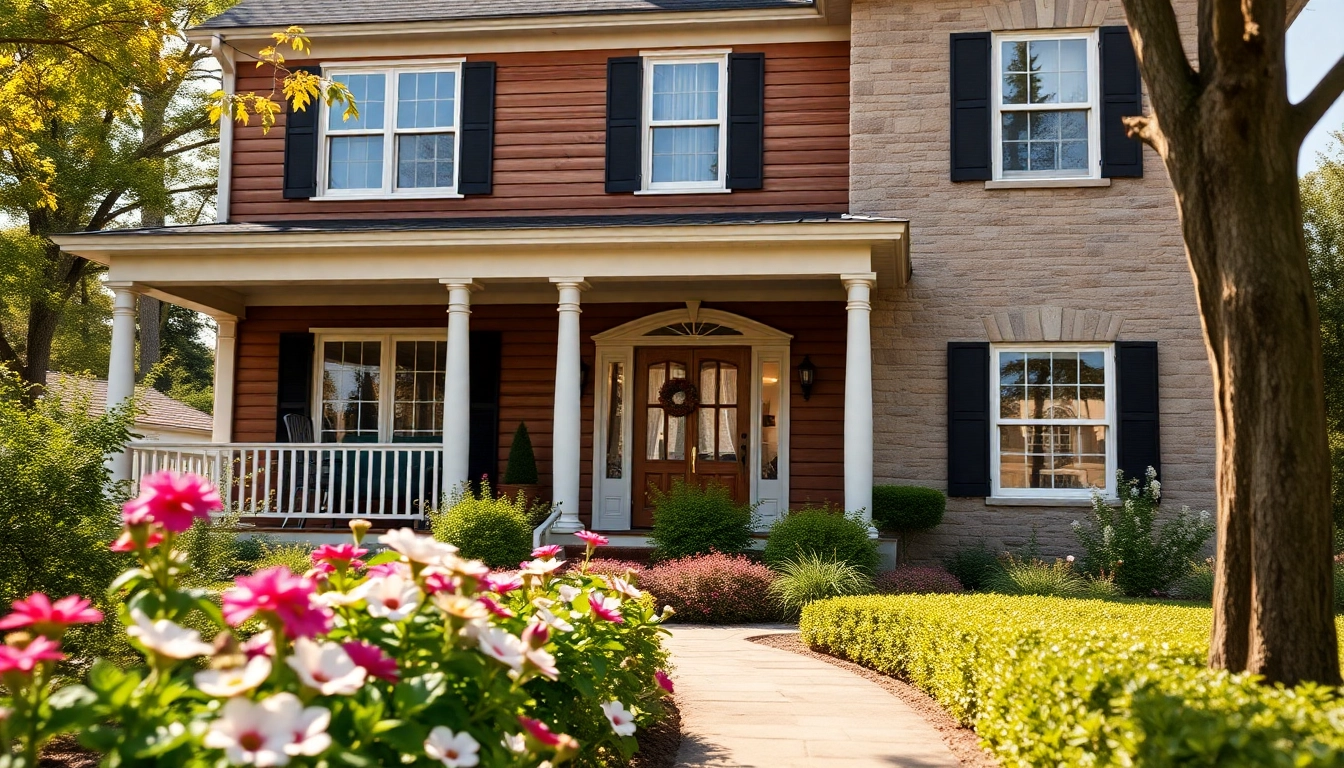
Colonial homes, steeped in history, reflect the architectural styles and design philosophies of early American settlements. These dwellings date back to the 17th century, embodying influences from various European cultures, most notably British, French, and Spanish. Each colonial style, from Georgian to Dutch Colonial, showcases unique features—think symmetrical facades, gabled roofs, and authentic building materials such as wood and brick. Preserving these homes goes beyond mere aesthetics; it’s a way to honor our collective history and heritage. By understanding the cultural context behind colonial homes, homeowners can make informed decisions during a colonial home renovation.
Defining Colonial Home Renovation
Colonial home renovation refers to the process of restoring, preserving, or updating these historical structures while maintaining their architectural integrity. A renovation may include both cosmetic updates, such as interior design changes, and significant structural modifications that adhere to historical preservation guidelines. Homeowners need to balance their desire for modern amenities with the need to respect the home’s original character. This challenge often necessitates the expertise of professionals well-versed in architectural history and preservation.
Benefits of Renovating Colonial Homes
Renovating a colonial home offers various advantages. Firstly, it enhances the property's value—colonial homes are often highly sought after due to their charm and historical significance. Additionally, a well-executed renovation can improve energy efficiency, making the home more comfortable and reducing utility bills. Furthermore, renovations offer the chance to customize your living space, integrating modern conveniences without sacrificing character. Most importantly, preserving a colonial home helps maintain the historical narrative of a community, contributing to its cultural and aesthetic landscape.
Planning Your Colonial Home Renovation
Assessing Your Home's Current State
Before initiating a renovation, it is vital to thoroughly assess the current state of your home. This step includes evaluating the structural integrity of the building, checking for any signs of damage like rot or mold, and examining historical elements that require preservation. A comprehensive inspection will identify areas that may need immediate attention, guiding your renovation process efficiently. Engaging a structural engineer can provide insights into necessary upgrades or repairs, ensuring the home remains safe and sound.
Setting a Realistic Budget
Establishing a budget is crucial for any renovation project. Consider both anticipated expenses and potential unforeseen costs. Colonial renovations often require specialized materials and skilled labor, which can drive up costs. It is wise to implement a contingency fund of at least 10-20% of your overall budget to address unexpected expenses. If the renovation involves restoring historical features, such as mantels or moldings, sourcing authentic materials can be expensive; hence, planning ahead will ensure that your project remains financially viable.
Choosing the Right Renovation Style
Choosing an appropriate renovation style is essential for preserving the home’s character. Opt for designs and elements harmonious with the original architecture. Research the specific colonial style of your home—Georgian, Federal, or Colonial Revival, for example—and select renovations that reflect this style. Balance between maintaining historical aesthetics and incorporating functional modern designs can lead to a cohesive and pleasing result that respects your home’s legacy.
Finding the Right Professionals
Contractors Specializing in Colonial Renovations
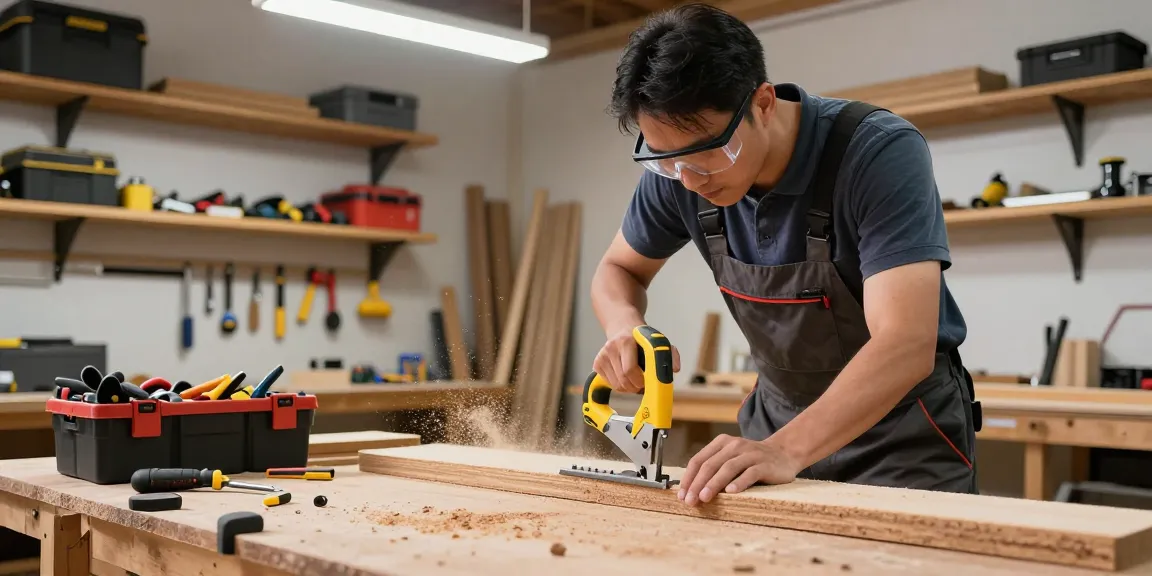
Finding qualified contractors specializing in colonial renovations is critical. Look for professionals with a proven track record of working on historical homes and those familiar with local building codes and preservation regulations. These specialists will offer valuable insights into techniques and materials that maintain authenticity. Seek recommendations and review previous work to ensure they have the qualifications and expertise required for your specific project.
Architects and Designers' Role
Architects and designers play a pivotal role in a successful renovation. They bring a wealth of knowledge about design principles, ensuring a seamless integration of modern elements with traditional architecture. Their expertise can help visualize potential changes, recommend suitable materials, and resolve planning challenges. Collaboration with an architect knowledgeable in historical architecture can yield unique solutions tailored specifically for colonial homes.
Consulting Heritage Preservation Experts
Consulting with heritage preservation experts is essential when embarking on a colonial home renovation. These professionals provide guidance on maintaining the home's historical integrity and compliance with local preservation standards. Their insights can help navigate challenging decisions, such as which features to preserve versus those that can be updated. Engaging with these experts often leads to more successful outcomes and grants peace of mind during the renovation process.
Key Elements to Consider in Renovation
Preserving Architectural Integrity
Preserving the architectural integrity of a colonial home is paramount. This includes maintaining original structural features like doorways, windows, and chimneys, which contribute to the home’s character. When undertaking renovations, ensure that repairs to these elements use historically appropriate methods and materials. For example, consider utilizing traditional craftsmanship for woodwork or sourcing period-appropriate fixtures to ensure authenticity. Every decision should strive to honor the home’s original design while meeting modern standards.
Incorporating Modern Amenities
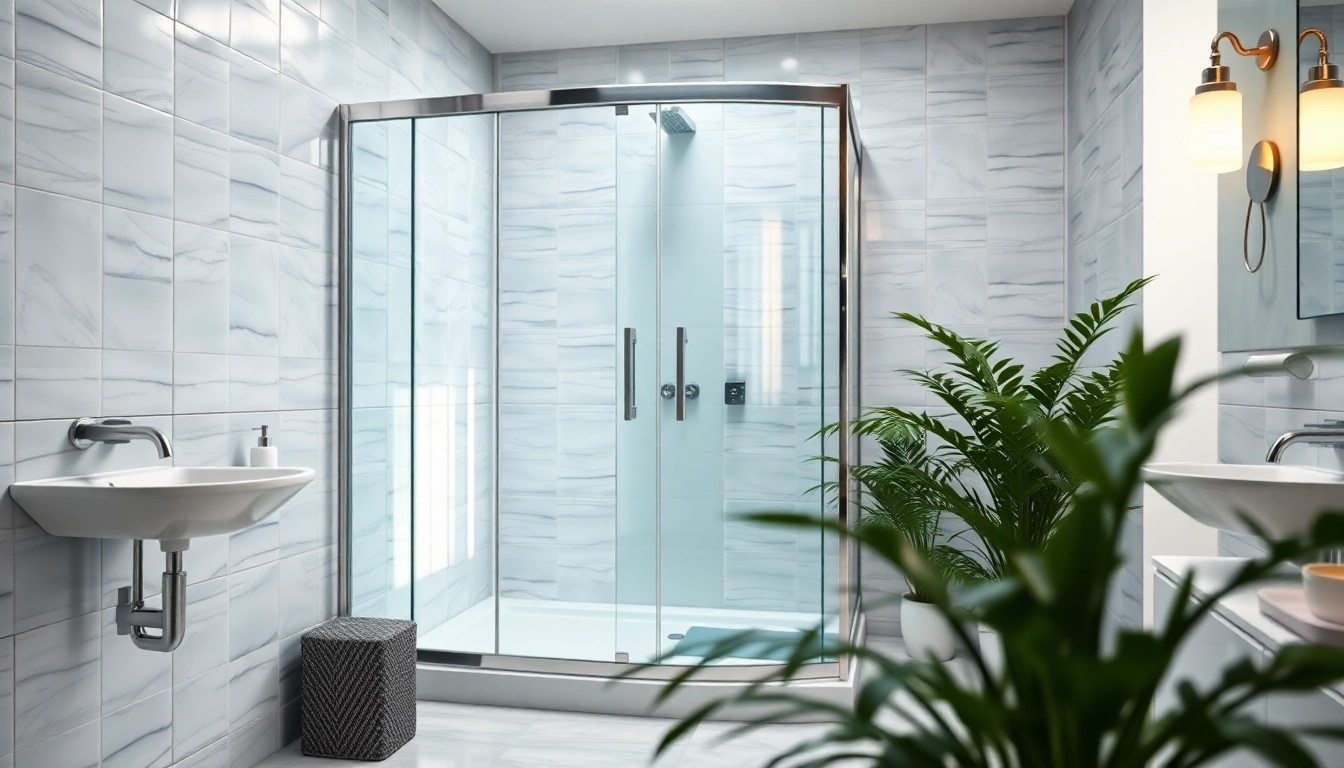
While preserving historical aesthetics, it’s essential to incorporate modern amenities that enhance comfort and functionality. This often involves updating kitchens and bathrooms to current standards, improving convenience without compromising the home’s character. Innovations like hidden appliances or refurbished cabinetry can fuse traditional design with contemporary efficiency. Selecting fixtures, appliances, and materials that complement the home’s style plays a critical role in achieving this harmony.
Energy Efficiency Upgrades
Energy efficiency should be a priority in any renovation project, especially in older homes. Upgrading insulation, sealing drafts, and installing energy-efficient windows can significantly reduce energy consumption. Modern HVAC systems can be discreetly added without impacting the home’s visual integrity. By investing in energy-efficient upgrades, homeowners can reduce utility bills and contribute to environmental sustainability—all while enjoying improved comfort in their renovated spaces.
Success Stories in Colonial Home Renovation
Before and After Renovation Examples
Success stories abound in the realm of colonial home renovation. Many homeowners have transformed their spaces while honoring historical significance. For instance, one family took an old Georgian home and restored its façade, replacing broken windows with period-appropriate models, and revamping the interior to create a modern, functional space. Another couple dedicated their effort to preserving original hardwood floors and molding, pairing these historical elements with contemporary decor. These inspiring transformations illustrate how colonial homes can retain their charm while offering modern amenities.
Common Challenges and Solutions
Many challenges arise during colonial home renovations, from finding authentic materials to correcting structural issues without compromising historical integrity. One common hurdle is footprint limitations, often due to local zoning laws. Homeowners can overcome this by focusing on vertical expansion—adding a second floor or utilizing attic space—thereby maximizing living areas without breaching regulations. Engaging preservation experts early on can alleviate issues related to compliance with historical standards and ensure that renovations honor the property's character.
Lessons Learned from Successful Projects
Every renovation project offers lessons that shape future endeavors. Communication among all stakeholders—including homeowners, contractors, architects, and preservation specialists—is crucial for minimizing misunderstandings and ensuring shared vision. Additionally, patience is often key; unforeseen challenges may arise, and a flexible approach can ease frustration. Documenting each phase of the renovation not only provides insights for future projects but can also contribute to the historical record of the home itself.
Frequently Asked Questions (FAQs)
1. What should I look for in a colonial home renovation contractor?
Find contractors with experience in historical homes, positive reviews, and familiarity with preservation guidelines to ensure quality work.
2. How can I preserve my colonial home’s historical features?
Maintain original elements through careful repairs and sourcing period-appropriate materials to stay true to the home’s character during renovations.
3. Are modern updates compatible with colonial architecture?
Yes, modern amenities can be integrated by choosing discreet designs that complement original features, enhancing comfort while preserving aesthetics.
4. What is the typical timeline for a colonial renovation project?
The timeline varies based on project scope and complexity; smaller renovations might take a few months, while extensive restorations can take a year or more.
5. How do energy-efficient upgrades benefit a colonial home?
Energy-efficient upgrades reduce energy costs, improve comfort, and support sustainability while enhancing the overall functionality of the home.