
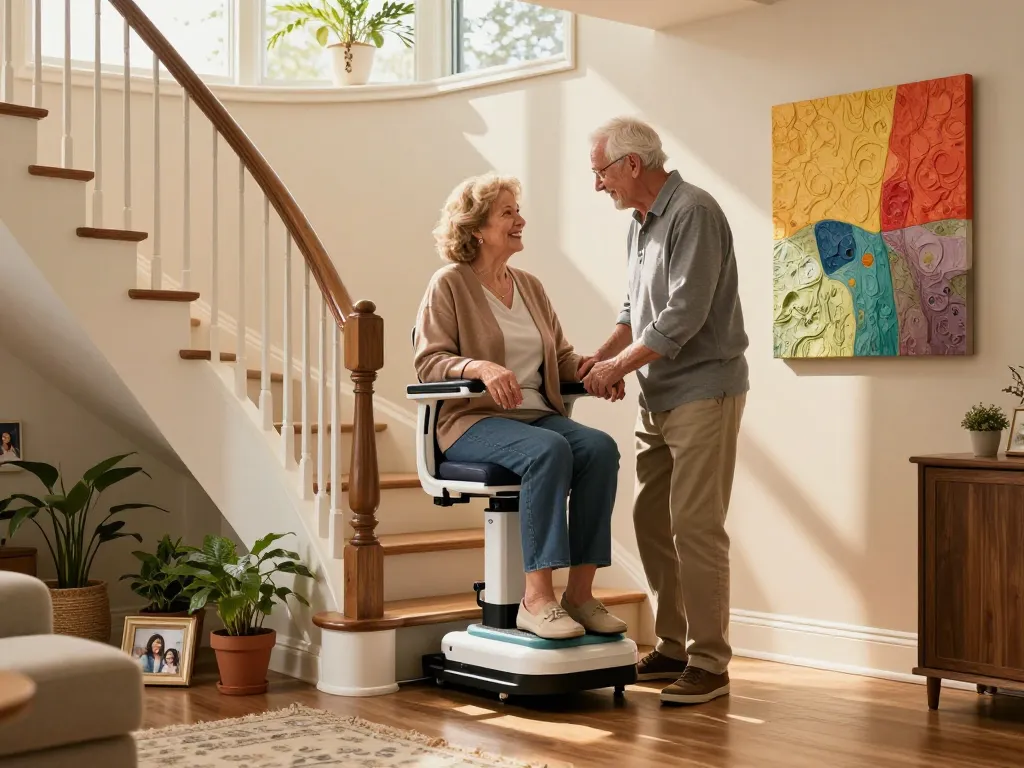
The Importance of Stairlifts for Home Accessibility
As the population ages, maintaining home safety and accessibility becomes increasingly important. Stairlifts offer a reliable solution for individuals with mobility challenges, allowing them to navigate stairs with dignity and ease. These devices are essential not only for the elderly but also for anyone facing temporary or permanent mobility issues. Investing in a stairlift can significantly enhance quality of life by promoting independence and reducing the risk of falls in the home.
Understanding Stairlift Functionality
Stairlifts are mechanical devices designed to transport individuals up and down stairs safely. Typically, these systems consist of a chair attached to a rail that runs alongside the staircase. The user sits in the chair, and the stairlift moves smoothly along the track. Stairlifts can be customized according to the shape and size of the staircase, accommodating both straight and curved designs.
Benefits of Installing a Stairlift
- Enhanced Safety: Stairlifts significantly reduce the risk of accidents and falls that often occur when navigating stairs.
- Increased Independence: By providing a reliable means of moving throughout the home, stairlifts empower individuals to maintain their freedom and autonomy.
- Comfort and Convenience: Stairlifts can be operated with simple controls, making them easy to use for individuals of all ages.
- Home Value: Installing a stairlift can increase a property’s marketability by making it more accessible to a wider range of buyers.
Common Misconceptions about Stairlifts
Despite the clear benefits, many people hold misconceptions about stairlifts. One common belief is that they are only for the elderly. In reality, stairlifts serve anyone facing mobility challenges, whether due to injury, illness, or age-related issues. Another misconception is that stairlifts are too expensive. While costs can vary, there are numerous financing options available that make ownership attainable for many families.
Key Features to Look for in a Stairlift
Safety Features: What Matters Most?
When selecting a stairlift, safety should be a top priority. Key features to look for include:
- Seat Belts: A reliable safety harness helps keep users secure while in motion.
- Swivel Seats: Seats that swivel at the top of the stairs facilitate easier entry and exit.
- Obstacle Sensors: Advanced models include sensors that detect obstacles on the track, halting movement if necessary.
- Battery Backup: A battery backup system ensures functionality during a power outage, allowing users to navigate the stairs safely.
Types of Stairlifts: Straight vs. Curved
There are two primary types of stairlifts: straight and curved. Straight stairlifts are designed for standard staircases without any turns. They are generally more affordable and easier to install. In contrast, curved stairlifts are custom-made to navigate staircases with landings or curves. While they may be pricier, they offer seamless integration into more complex stair systems.
Customization Options for Your Home
Personalization is another vital aspect of stairlift selection. Many companies offer a variety of customization options, including color selections, seat styles, and rail configurations. This flexibility enables homeowners to choose a stairlift that complements their home decor and meets their specific needs.
Cost Considerations and Financial Planning
Average Cost of Stairlifts in 2026
The cost of a stairlift can vary widely based on several factors such as type, features, and installation complexity. On average, prices range from $2,500 to $8,000. For straight stairlifts, costs typically hover around $3,200, while curved models can exceed $6,000 due to their custom nature.
Financing Options for Stairlift Installation
Many companies offer financing solutions to make stairlift ownership more accessible. Options may include payment plans, loans, or leasing arrangements. It’s advisable to explore all available financing choices, as this can alleviate the financial burden and allow families to invest in mobility solutions without immediate stress.
Insurance and Coverage Insights
In some cases, health insurance policies, Medicare, or Medicaid may provide partial coverage for stairlifts, especially if prescribed by a doctor as a medical necessity. Homeowners should contact their insurance providers to inquire about potential reimbursements or assistance with costs.
Stairlift Installation Process: What to Expect
Choosing the Right Professional Installer
Selecting a qualified installer is crucial for the safety and functionality of your stairlift. Look for companies with good reputations, positive customer reviews, and certifications from industry organizations. A professional installer will conduct a thorough assessment of your staircase and recommend the best stairlift model for your needs.
Preparation for Installation Day
Prior to installation, homeowners should ensure the area around the staircase is clear of obstacles and that adequate power outlets are accessible. Your installer may also provide specific instructions on preparing for installation day.
Post-Installation Safety Checks
After installation, it’s essential to conduct safety checks to ensure everything operates correctly. Homeowners should familiarize themselves with the stairlift’s controls, test the safety features, and confirm that the chair moves smoothly along the rail. Regular maintenance checks are also recommended to keep the stairlift in optimal working condition.
Future Trends in Stairlift Technology
Innovations to Expect in the Coming Years
The stairlift industry is continuously evolving, with advancements in technology paving the way for improved features. Future stairlifts may integrate smart technology, allowing for remote control via smartphone apps or voice command systems. Enhanced safety features are also expected to be developed using AI systems for better obstacle detection and user safety monitoring.
Smart Home Integration with Stairlifts
As smart homes become more prevalent, stairlifts will likely be designed to integrate seamlessly with other devices. This could include coordinated operation with home security systems, lighting, and more, enhancing convenience and safety for users.
Environmental Considerations for Stairlift Manufacturing
With growing awareness about sustainability, manufacturers are focusing on eco-friendly materials and production techniques. Future stairlifts may use recyclable materials, and companies may strive for reduced energy consumption during operation to lessen their overall impact on the environment.
What are the average costs for stairlifts?
The average cost for stairlifts varies depending on several factors, including the type (straight or curved), features, and installation requirements. On average, expect to spend between $2,500 and $8,000.
How do I choose the right stairlift for my home?
Choosing the right stairlift involves evaluating your specific needs, including the layout of your stairs, budget, and required features. Consulting with a professional installer can provide valuable insights into your best options.
Are there financing options available for stairlifts?
Many companies offer financing options, including payment plans, loans, or rental arrangements, to help manage the costs of stairlift installation.
What safety features should I look for in a stairlift?
Important safety features to consider include seat belts, obstacle sensors, swivel seats, and a battery backup system to ensure reliability during power outages.
How often should I maintain my stairlift?
Regular maintenance is essential for a stairlift’s performance and safety. It is advisable to schedule annual checks with a certified technician to ensure all components are functioning correctly.